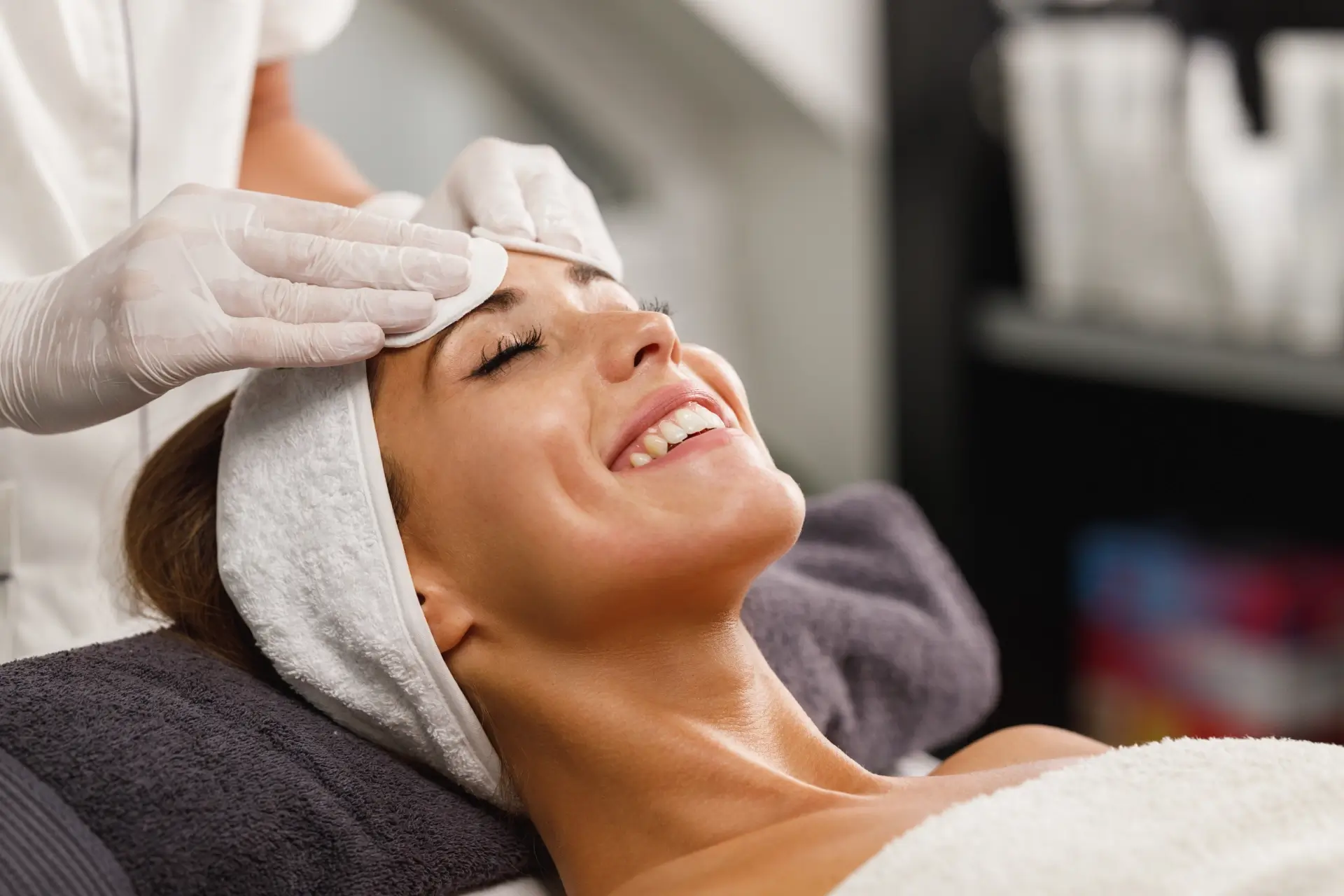
After laser hair removal, protect the treated area for 24–48 hours: skip hot showers, saunas, swimming, and heavy sweating; avoid picking at any redness or bumps; apply a cool compress and fragrance-free moisturizer if needed; and wear broad-spectrum SPF 30+ whenever the area is exposed to sun, even on cloudy Winnipeg days.
At Flawless Derma Centre, we use physician-led SharpLight technology to make laser hair removal in Winnipeg as predictable as possible — and that includes clear aftercare. If you’re new to the process, our complete guide to laser hair removal in Winnipeg covers what to expect from your first session onward. This article focuses on what happens after your appointment: what’s normal, what to do (and avoid) in the days that follow, why “shedding” isn’t regrowth, and the signs that mean you should call us.
Is redness after laser normal?
Yes. A degree of redness, warmth, and mild swelling around each hair follicle — sometimes called perifollicular oedema — is a normal, expected response to laser hair removal, not a sign that anything went wrong. The treated area often looks and feels a little like a mild sunburn: pink skin, faint puffiness around individual follicles, and warmth to the touch. This happens because the laser’s heat targets the hair follicle, and the surrounding skin responds with a short-lived inflammatory flush. For most people, visible redness and warmth settle within a few hours to a day, though some — especially those with fair or sensitive skin, or those treating a sensitive area like the bikini line or upper lip — may notice mild redness linger for up to 24 to 48 hours. If redness is mild and gradually fading, that’s the normal pattern; it should not be worsening, spreading, or accompanied by fluid-filled blisters. For more on what the sensation feels like during the session itself, see Do Laser Treatments Hurt?
What to do in the first 24–48 hours
The first day or two after treatment is when your skin is most sensitive, and simple choices make a real difference in comfort and healing.
Do
- Apply a cool compress or a cool (not ice-cold) cloth to soothe warmth and swelling
- Use a fragrance-free, gentle moisturizer to keep the area comfortable
- Wear loose, breathable clothing over the treated area
- Apply broad-spectrum SPF 30+ if the area will see any daylight, even briefly
- Cleanse with lukewarm — not hot — water
Avoid
- Hot showers, hot baths, and hot tubs
- Saunas and hot yoga
- Heavy sweating or intense exercise
- Swimming pools and chlorinated or heavily treated water
- Harsh active ingredients (retinoids, exfoliating acids, scrubs)
- Picking, scratching, or exfoliating the area
- Sun exposure without protection
Your aftercare timeline at a glance
| Timeframe | What’s normal | What to do |
|---|---|---|
| First 24 hours | Redness, warmth, mild perifollicular swelling — like a light sunburn | Cool compress, fragrance-free moisturizer, avoid heat, sweat, and sun |
| Days 2–7 | Redness fading; skin may feel slightly dry or sensitive | Gentle cleansing, daily SPF 30+, hold off on harsh actives |
| Weeks 1–3 | Treated hairs shed and can look like regrowth | Resist plucking or waxing; light exfoliation only once approved |
| Before your next session | Regrowth between visits often looks finer or patchier | Shave (don’t wax or pluck); avoid tanning and unprotected sun |
Is shedding the same as regrowth?
No — what you’re seeing is shedding, not regrowth, and it’s one of the most misunderstood parts of laser hair removal. In the one to three weeks following a session, treated hairs that were in their active growth phase gradually work their way out of the follicle and fall out. Because this happens gradually rather than all at once, it can look exactly like hair is growing back, especially in the shower or when you run a hand over the area. It isn’t: those follicles were disrupted by the laser and are simply releasing hair that’s no longer attached at the root. Gentle exfoliation, once your practitioner confirms your skin is ready, can help this process along — but picking or plucking at shedding hairs isn’t necessary and can irritate healing skin. If hair appears in the same density and thickness as before treatment, weeks later, that’s worth mentioning at your next visit, not a sign to worry about.
How should I protect treated skin from the sun?
Sun protection isn’t optional between laser hair removal sessions — it protects both your results and your skin. Freshly treated follicles are more sensitive to ultraviolet light, and sun-exposed skin is more prone to hyperpigmentation (dark patches) or hypopigmentation (light patches) after treatment. The Canadian Dermatology Association recommends a broad-spectrum sunscreen of SPF 30 or higher, reapplied regularly, along with seeking shade and covering up during peak UV hours (Canadian Dermatology Association). Clinical guidelines on laser hair removal specifically list sun avoidance and sun protection, both before and after treatment, as one of the most effective ways to reduce the risk of pigment changes (PubMed).
In Winnipeg, that matters year-round. Summer sun along the riverbank trails through Wolseley or an afternoon in Tuxedo is an obvious risk, but so is winter glare, when sunlight reflects off snow on a bright commute through St. James or Charleswood. Sleeves, hats, and a daily SPF habit go a long way between sessions, whatever the season.
When can I shave again?
Between sessions, shaving is the only hair removal method you should use — waxing, plucking, threading, and epilating are off the table because they remove the hair from the root, and laser needs an intact hair shaft below the skin’s surface to target. You can typically resume shaving once any initial redness or sensitivity has settled, often within a day or two, and then shave as needed to keep the area comfortable between visits. Before your next appointment, shave the treatment area the evening before or morning of your visit; a close, recent shave without stubble lets the laser energy focus on the follicle rather than the hair above the skin. In the days leading up to your next session, avoid tanning beds, self-tanner, and unprotected sun exposure, since tanned or sunburned skin can’t safely be treated at full strength. Timing your sessions around our climate also helps — see our guide to the best time for laser in Winnipeg. If you’re ever unsure where you are in your plan, our team can review your progress at your next visit.
When should I call the clinic?
Most people move through aftercare without any concerns beyond mild, fading redness. Contact Flawless Derma Centre at (204) 560-5052 if you notice blistering or fluid-filled bumps, a rash that is spreading rather than settling, signs of infection such as increasing warmth, swelling, pus, or fever, or pain that is getting worse rather than better in the days after treatment. These aren’t expected reactions, and catching them early makes them easier to manage (NCBI StatPearls, Laser Hair Removal; Folliculitis Induced by Laser Hair Removal, PMC).
This article is general guidance and isn’t a substitute for the specific aftercare instructions you’re given at your appointment, which are tailored to your skin, the area treated, and your treatment plan. If anything feels off, it’s always better to call than to wait it out.
The bottom line
Good aftercare is simple, even if it takes a little discipline for a day or two: keep the area cool and clean, protect it from heat and sun, resist picking at anything that shows up in the following weeks, and shave (never wax or pluck) before your next visit. Ready to book your next session, or have questions before you start? Get in touch with our team — we’re happy to talk you through what to expect. And if you’re curious what a full plan looks like, our laser hair removal pricing is published and confirmed at your consultation, with no pressure to add anything you don’t want.